Wednesday, June 26, 2013

NEA plans to launch solar power project


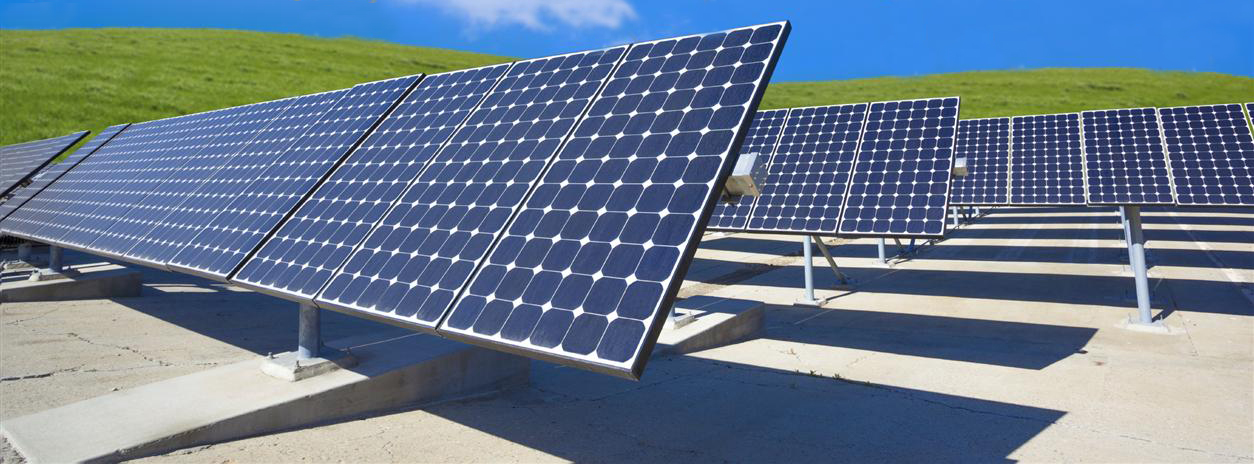
solar panelsThe Nepal Electricity Authority (NEA) has planned to diversify from hydroelectricity into solar power. In the next fiscal year, it will launch a solar power project with a soft loan from the World Bank (WB).
The project, called Renewal Energy and Energy Efficiency Project (REEEP), has a capacity of 20 MW. It will be implemented at five places: Sunkoshi powerhouse (Sindhupalchok), Panauti powerhouse (Panauti), Trishuli powerhouse (Trishuli), Pharping powerhouse (Pharpi-ng) and NEA training centre at Kharipati.
NEA Managing Director Rameshwor Yadav said it has been preparing to develop a solar power plant for the first time as a trial project. “Given the changing scenario in the energy sector worldwide, the NEA is of the opinion that it should also begin tapping solar power to utilize natural resources to the maximum,” he said.
Madhu Marasini, chief of the Foreign Aid Coordination Division, said the WB has shown interest in playing a supportive role in harnessing Nepal’s renewable energy. “The NEA has been initiating the project as the donor agency has promised to provide soft loans for the purpose.”
Following the WB’s commitment to provide the funds, the government has asked it to provide $50 million. As per the feasibility study conducted by the NEA a year ago, the project will cost a total of around $54.66 million including capital worth $50.85 million and operation and maintenance worth US $ 3.82 million.
Ramchandra Pandey, general manager of the Construction and Generation Division at NEA, said the sites for the project had been chosen in such a way that it would not cause any financial or managerial liability to the NEA. “The project will be constructed on our own land and no additional money will be spent to procure land,” he said. It will be easier to feed the generated energy into the national grid as all these sites are connected by transmission lines, he added. He said that the government would begin the process of signing a loan agreement with the WB from the beginning of the next fiscal year. “Once the agreement is signed, we will begin the project development.”
According to the NEA, it will take some eight months to complete the construction of the project. Of late, the government has begun showing flexibility towards the development of solar energy in the country. Last year, the Energy Ministry had made a policy decision according to which private developers of solar power projects would be allowed to use transmission lines to supply the generated solar energy into the national grid.
In October, last year, the NEA had signed a memorandum of understanding (MoU) with a Chinese solar energy firm, Hunan Yueer Solar Energy Technology Co for installing a 30-MW solar station in the country. Once developed, it will be the largest ever solar energy project in Nepal.
According to the MoU, the solar company will be established in Nepal and the NEA will buy and sell the electricity produced from the solar station.
Meanwhile, the NEA has signed a power purchase agreement (PPA) with a solar power project (680.4 kW) that was funded by the Japanese government.
Source : The Kathmandu Post

600 kilowatt power generated in Gorkha


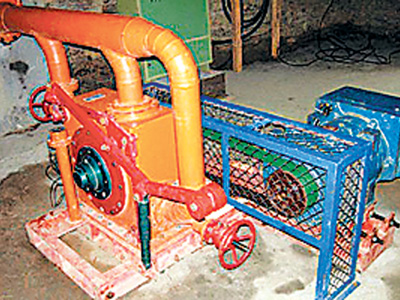
microhydropowerConstruction of different micro hydro power projects was concluded in Gorkha district from which a total of 600 kilowatt power has been generated.
Life in the villages concerned have been more comfortable with the completion of different micro hydropower projects that were constructed in Kansigaun including Chamakharka, Chhotekhola, Chhetarkhola, Kashigaun,
Buddha Singh, Singure, projects in Hamshapur, Larkhola and Pandung Projects in Chhekampar, and Jagat, Hulchukkhola, among others in Sirdibas of the district.
KADURI, an organization, has provided financial and technical support to generate 350 kilowatt powers and that as many as 2,000 households have been benefitted them.
Similarly, other projects recently completed in Patlekhola of Simjung, Bhutkhola of Gumda, Myanglung Khola, Naulikhola of Lapu Hundikhola of Swanra have generated 269 kilowatt power and from these projects 2,500 households have been benefitted.
With the generation of powers in the districts, services provided to the tourists have been extended and the local tourism have been increased by two fold, said local hotel entrepreneur, Bir Bahadur Gurung.
Local people have been encouraged to establish cottage and small industries once they got electricity services, as a result villagers´ living standard was raised, said Kumar BK, a local from Barpak.
Source :RSS

सौर्य ऊर्जामा सहयोग गर्न महासंघद्वारा अष्ट्रेलियासँग आग्रह


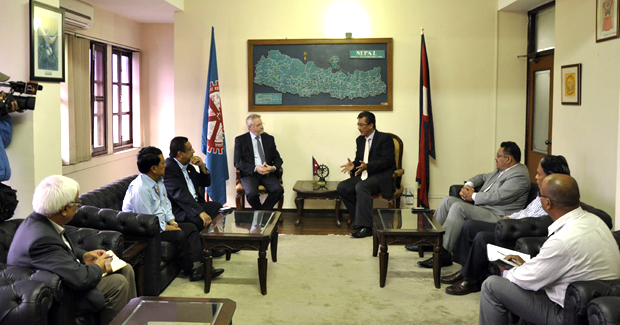
Solar_fncciनेपाल उद्योग वाणिज्य महासंघका अध्यक्ष सुरज वैद्यले सौर्य उर्जा उत्पादनमा अष्ट्रेलियको अनुभव नेपालका लागि उपयोगी हुने हुँदा अनुभव आदान-प्रदान गर्न अष्ट्रेलियन सरकारलाई आग्रह गर्नुभएको छ । मंगलबार नेपालका लागि नव-नियूक्त अष्ट्रेलियन राजदुत ग्लिन ह्वाइटसँगको भेटवार्तामा उहाँले सो अग्रह गर्नुभएको हो ।
मुलुकमा जलविद्युत विकासका लागि धेरै प्रयास गर्दै आएको बताउँदै अध्यक्ष वैद्यले महासंघको वाषिर्क साधरणसभामा प्रमुख राजनीतिक दलहरुबाट उर्जा विकासमा प्रतिबद्धता लिएको जानकारी दिनुभयो । नेपालको आर्थिक विकासका लागि लगानीका सम्भाव्य क्षेत्रहरु पूर्वाधार, सेवा क्षेत्र (शिक्षा, स्वास्थ्य, पर्यटन), व्यवसायीक कृषि, जलविद्युत र खानीजन्य लगायतका क्षेत्रमा अष्ट्रेलियाको लगानी आवश्यक रहेको उहाँले बताउनुभयो । यी पाँच क्षेत्रमा अष्ट्रेलियन लगानी आकर्षणका लागि कुटनीतिक सहयोगको अपेक्षा समेत उहाँले गर्नुभयो ।
भेटवार्तामा नेपाल र अष्ट्रेलिया बीचको आर्थिक व्यापारिक सम्बन्ध, द्विपक्षीय व्यापार तथा लगानी प्रवर्द्धन तथा नेपालमा लगानीका सम्भाव्य क्षेत्रहरुका विषयमा कुराकानी भएको थियो । नेपाललाई कसरी लगानीको गन्तव्य बनाउने, आपसी लगानी विस्तार तथा व्यवसायिक भ्रमण आदान प्रदान लगायतमा विशेष जोड दिइएको थियो ।
राजदुत ग्लिन ह्वाइटले नेपालको आर्थिक विकासमा निजी क्षेत्र सशक्त रुपमा अगाडी बढिरहेको जानकारी पाउँदा खुशी लागेको बताउनुभयो । उहाँले नेपाललाई लगानीको गन्तव्यका रुपमा पहिचान दिलाउन तथा लगानीका लागि सम्भाव्य क्षेत्रका रुपमा पहिचान गरिएका क्षेत्रहरुमा अष्ट्रेलियन लगानी आकर्षणका लागि कुटनीतिक तबरबाट आफूले सक्दो पहल गर्ने आश्वासन दिनुभयो । निर्धारित मितिमै संविधान सभाको निर्वाचन भएमा आर्थिक विकासका गतिविधिले तीव्रता लिने उहाँले बताउनुभयो नेपाल-अष्ट्रेलिया बीचको व्यापार वृद्धिका लागि विशिष्ट प्रकारका वस्तुहरुको उत्पादन विस्तारमा समेत उहाँले जोड दिनुभयो ।
भेटवार्तामा महासंघका वरिष्ठ उपाध्यक्ष भाष्करराज राजकणिर्कार, कार्यकारिणी समिति सदस्यहरु ज्ञानेन्दलाल प्रधान, कल्याणकृष्ण ताम्राकार र एजी शेर्पा, महानिर्देशक हेमन्त दवाडी उपस्थित रहनु भएको थियो ।
Source : Online Khabar

Govt, ADB, WB prioritize investment in energy sector


1 HydropowerRealizing that acute power shortage is affecting people´s daily life and inflicting huge loss on industrial sector, the government, Asian Development Bank (ADB) and the World Bank (WB) have put investment in hydropower sector in their first priority.
“Investment in hydropower sector is the top priority of the upcoming budget for fiscal year 2013/14,” Finance Minister Shankar Prasad Koirala told Republica about a week ago while interacting with a team of business journalists from Nepal Republic Media.
Asian development Bank (ADB), a multilateral development partner working in the Asia-Pacific region, has declared that its first priority will be in the energy sector in the coming days. “Our priorities have been changed; we are totally focused on the energy sector in Nepal,” Kenichi Yokoyama, country director of ADB Nepal Resident Mission, said at a program organized in the capital last week.
The ADB, which is currently working on identifying viable hydropower projects for investment, has already decided to invest US$ 150 million in Tanahun Hydropower project (140 MW) — the second reservoir type project in the country after Kulekhani.
Moreover, the Manila-based multilateral lender is also pushing for reforming and restructuring of the Nepal Electricity Authority (NEA) – the state-owned energy monopolist.
“ADB´s country strategy paper (CSP) has put energy sector in the first priority. Development of transmission lines and distribution of power is more important,” Yokoyama said in his keynote speech delivered in a seminar on ´Wind Energy Development and Use: Nepalese Perspective´ in Kathmandu last Friday.
Similarly, the World Bank has also hinted that it is interested to invest in the energy sector. The World Bank´s investment in the development of cross-border transmission lines, especially in 400 kV Dhalkewar-Majjafarpur transmission line, speaks volumes about its interest in the energy sector.
The government also has also said that it would allocate substantial amount of budget in development of transmission lines in the country to evacuate power generated by different hydropower projects.
“The government will encourage private sector to invest in the hydropower sector by developing adequate infrastructure to evacuate power generated by their projects,” Finance Minister Koirala said.
Meanwhile, Minister Koirala also said that the government would expedite the process of signing power purchase agreement (PPA) with different hydropower projects.
At present, the government has put around 52 hydropower projects with total installed capacity of more than 4000 MW in its priority basket.
“The government is ready to invest in these projects on its own,” Gokarna Raj Pantha, senior divisional engineer at the Department of Electricity Development (DoED) said. “It can hand over these projects to the private sector, including domestic and foreign investors, if need be.”
Source : Republica

NEA refuses to compensate contractor


KATHMANDU: Nepal Electricity Authority General Manager Ramchandra Pandey today said NEA has turned down the compensation demanded by the Chinese contractor of Upper Trishuli 3A Hydro Project.
Talking to this daily, Pandey, who also heads the Generation and Construction division of NEA, said Northwest Hydro Consulting Engineers, the project consultant, had already rejected the amount quoted by the Chinese contractor.
China Gezhouba Group Co had claimed Rs 8 billion from the country’s power-utility as compensation after the NEA board on Wednesday decided to roll back its controversial decision to upgrade the Upper Trishuli 3A Hydro Project.
Earlier, NEA had decided to upgrade the project capacity from 60 MW to 90 MW.
However, the decision became controversial as it would have escalated the project cost by Rs 4 billion and delayed the construction by three more years
Further, the decision gave the contractor, which had completed only 30 per cent of the construction work in 25 months, a free run.
Pandey said the division has already directed the project office in Nuwakot and contractors to speed up work to complete the run-of-river project by May 31 next year.
“As work progress is below 30 per cent and the contractor has sought two-year term extension, the project can be completed on time if the Chinese contractor continues with the project,” he added. The four trade unions are heading for the project site tomorrow to take stock of project development.
Source : The Himalayan Times

केन्द्रीय प्रसारण लाइनका कारण लघु जलविद्युत् सङ्कटमा


Micro Hydroलघु जलविद्युत्को जिल्लासमेत भनेर चिनिने बागलुङका पुराना लघु जलविद्युत् आयोजना बन्द हुने अवस्थामा पुगेका छन् । करोडौंको व्यक्तिगत र सामुदायिक लगानीमा निर्माण गरिएका त्यस्ता आयोजना केन्द्रीय विद्युत् प्रसारण लाइन पुगेपछि विस्थापित हुने अवस्थामा पुगेको जिल्ला ऊर्जा तथा वातावरण शाखा अधिकृत रमेश महर्जनले अभियानलाई बताए ।‘जिल्लाको गलकोट क्षेत्रका हरिचौर, मल्म र हटिया गाविसमा मात्रै ६ ओटा आयोजना बन्द हुने अवस्थामा पुगेका छन्,’उनले भने ।  ती आयोजनाबाट ३ सय ५० किलोवाट विद्युत् उत्पादन भइरहेको छ । यिनको निर्माणमा करीब रू.५ करोड २५ लाख खर्च भएको स्थानीय ज्ञानबहादुर थापाले जानकारी दिए । उनले तत्कालीन समयमा यातायातको पहुँच नभएकाले निर्माण सामग्री ढुवानीमा लागत बढी परेको जानकारी दिए । ती ६ ओटै आयोजना स्थानीयको लगानीमा निर्माण भएका हुन् ।
त्यस्तै, २०५६ सालमा निर्माण गरी सञ्चालनमा ल्याइएको ‘वसन्त वाटर टर्बाइन तथा ग्रामीण विद्युतीकरण आयोजना’ विगत २ वर्षदेखि बन्द छ । मल्ममा केन्द्रीय विद्युत् विस्तार भएपछि आयोजना बन्द भएको सञ्चालक वसन्त केसीले बताए । रू. ३६ लाख लगानीमा निर्माण गरिएको उक्त आयोजना बन्द भएपछि केसीले अहिले ऋणको भार बोक्नुपरेको छ ।‘भएको खेत पनि बेचेर आयोजनामा लगानी गरेँ,’ केसीले भने ‘तर, आज आयोजना सञ्चालनमा छैन ।’३५ किलोवाट क्षमताको उक्त आयोजनाबाट मल्म गाविसका ४ सय ५० घरमा बिजुलीबत्ती बलेको थियो भने स्थानीयस्तरमा फर्निचर, कुटानीपिसानी मिल सञ्चालित थिए । यस्ता साना आयोजनाको बिजुली केन्द्रीय ग्रीडमा जोड्ने सरकारी नीति नभएका कारण आफूहरू मर्कामा परेको केसीले बताए ।
त्यसैगरी, हरिचौर गाविसमा सञ्चालित चारओटा त्यस्ता आयोजना अलपत्र बनेका छन् । मल्म गाविसलाई लक्षित गरी २०५५ सालमा हरिचौरमा निर्माण गरिएको ‘कार्की बहुउद्देश्यीय राइस मिल तथा साना विद्युत् आयोजना’ पनि बन्द छ । ६५ किलोवाट क्षमताको उक्त आयोजनाबाट मल्म र हरिचौर गाविसका ४ सयभन्दा बढी घरमा बिजुली पुगेको थियो । १ करोड रुपैयाँको लगानीमा निर्माण गरिएको उक्त आयोजनाका सञ्चालक नै अहिले बिचल्लीमा परेका छन् ।‘घरखेत र साहूको ऋण लिएर लगानी गरियो । आज यो अवस्था भयो,’आयोजना सञ्चालक गुमा भण्डारीले भनिन् । कराडौंको लगानी गरेर आयोजना शुरू गरेको केही वर्षमै गुमाले श्रीमान् पनि गुमाउनुपरेको थियो । गुमाका श्रीमान् कृष्णको २०६५ सालमा बिजुलीको काम गर्दा पोलमा करेण्ट लागेपछि मुत्यु भएको थियो । योजना बनाउँदा लागेको रू.८० लाख ऋण साहूलाई तिर्न नसकेपछि भएको त्यही एउट मिल र साना विद्युत् योजना गरी रू.३० लाखमा साहूलाई दिने सम्झौता गरिसकेको भण्डारीले बताइन् । ६५ किलोवाट क्षमताको अत्याधुनिक जेनेरेटर, टर्बाइनलगायत विद्युत् आयोजनाका सामान पनि प्रयोगविहीन अवस्थामा रहेको उनले बताइन् । त्यस्तै, हरिचौरमा ५० किलोवाटको गलकोट लघु जलविद्युत् आयोजना, रेशम मिल तथा साना विद्युत् आयोजना, हटिया गाविसमा रहेको मिल तथा साना विद्युत आयोजनालगायत लघु जलविद्युत् आयोजना अत्रपत्र बनेका हुन् ।
१० नयाँ आयोजना निर्माणको चरणमा बागलुङमा अहिले ८५ ओटा लघु जलविद्युत् आयोजना सञ्चालनमा छन् । ती आयोजनाबाट करीब ३ मेगावाट विद्युत् उत्पादन भइरहेको छ । वैकल्पिक ऊर्जा प्रवद्र्धन केन्द्रको सहयोगमा धौलागिरि सामुदायिक स्रोत विकास केन्द्र (डीसीआरडीसी)ले अहिले आठओटा र जिल्ला ऊर्जा तथा वातावरण शाखाले दुईओटा गरी १० ओटा आयोजना निर्माणको चरणमा छन् । ती १० आयोजनाबाट करीब ९ सय किलोवाट विद्युत् उत्पादन हुने डीसीआरडीसीका इञ्जिनीयर गङ्गा आचार्यले जानकारी दिए । उनले वैकल्पिक ऊर्जा प्रवर्द्धन केन्द्रले राष्ट्रिय ग्रामीण तथा नवीकरणीय ऊर्जा कार्यक्रमअन्तर्गत प्रतिकिलोवाट रू.१ लाख ९५ हजार अनुदान दिने गरेको बताए ।

ग्रीड निर्माणको माग

लघु जलविद्युत् आयोजना लगानीकर्ताहरूले मिनी ग्रीडको अवधारणाअनुसार काम हुन सके रुग्ण अवस्थामा रहेका आयोजना पुनः सञ्चालनमा आउन सक्ने बताएका छन् । त्यसका लागि सरकारीस्तरबाटै पहल गरिनुपर्ने उनीहरूको माग छ । गाउँमा विस्तार गरिएका तार र पोल पनि प्रयोग नलाग्ने अवस्थामा पुगेका छन् । आयोजना बन्द भएपछि उपकरण बिग्रने चिन्ताले सञ्चालकहरूलाई सताएको छ । सरकार र विद्युत् प्राधिकरणले कुनै नीति तथा कार्यक्रममार्फत समस्याको सम्बोधन गरिदिए आफूहरूलाई राहत मिल्ने उनीहरूको आशा छ । विद्युत् प्राधिकरणले भने केन्द्रमा रहेको ऊर्जा खरीद शाखाको अनुमतिमा मिटर जोडेर लघु जलविद्युत् योजनाको बिजुली केन्द्रीय ग्रीडमा जोड्न सकिने बताएको छ । प्राधिकरण बागलुङ शाखाका प्रमुख विष्णुप्रसाद यादवले प्राधिकरणले अन्तरराष्ट्रिय गुणस्तरको विद्युत् प्रणाली अपनाएको हुँदा त्यसैअनुसारको भए मात्र ग्रीडमा जोड्न सकिने बताए ।
@सुवास कँडेल/बागलुङ /Abhiyan 

Global Wind Day observed


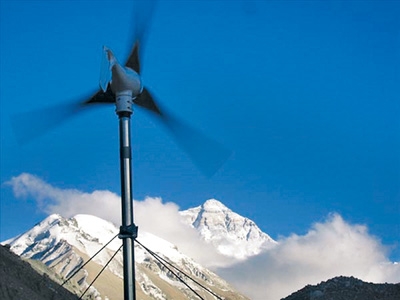
mountain_windAimed at discovering power and possibilities of wind for energy solutions, over 75 countries on Saturday celebrated Global Wind Day. In Nepal, the day was marked for the first time though many countries have been doing it since 2007.
In a program held in the capital at the initiation of eenergys.com, speakers discussed energy crisis in the country and how wind energy can help minimize it. “The theme of this celebration is to observe the first Global Wind Day in Nepal, finding wind energy possibilities and its future prospects in our country,” said Amirt Singh Thapa, a wind energy specialist and managing director of eenergys.com.
“At the moment, 99 percent of electricity generation is based on hydropower and we are facing several hours of load shedding as the power produced is not sufficient. It is high time for us to discover ways to utilize wind energy to cater to our needs,” he said.
The first major attempt to harness wind power in Nepal was in Kagbeni as ´Kagbeni Wind Power Project´ in 1989. However, no remarkable progress was noticed regarding utilization of wind energy in the following years. According to the executive director of Alternative Energy Promotion Center (AEPC) Govinda Raj Pokhrel, the country has very high potential and need to tap alternative energy sources but what is lacking is the political will.
Students, academicians, representatives of various organizations and government officials, among others, had participated at the program.